

 EN
EN RU
RU KO
KO ES
ES FR
FR KZ
KZ UZ
UZЧем венозный отёк отличается от лимфатического
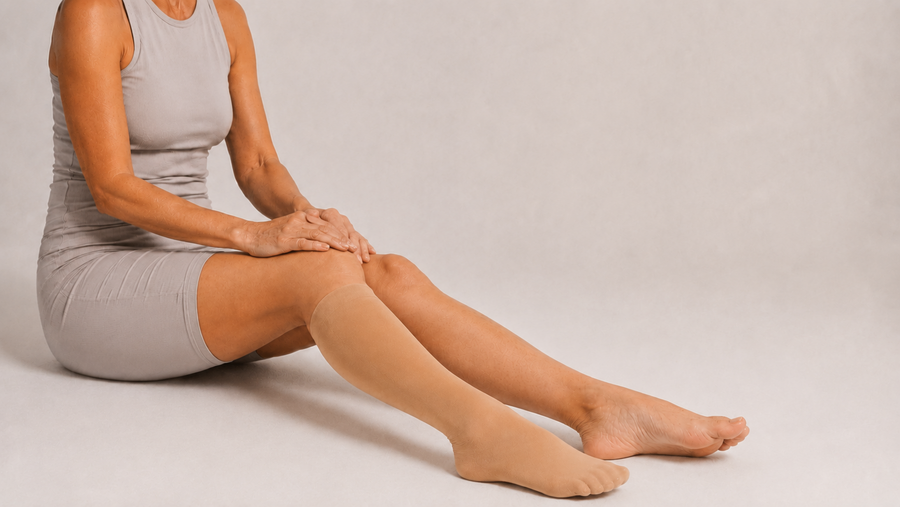
Венозный отёк связан преимущественно с нарушением оттока крови по венам, лимфатический — с недостаточной работой лимфатической системы. По внешним признакам их не всегда можно надёжно различить: возможен смешанный венозно-лимфатический отёк. Причину определяет врач, режим ношения медицинского компрессионного трикотажа зависит от диагноза, состояния артерий и других особенностей пациента.
Что называют отёком
Отёк возникает, когда в тканях накапливается больше жидкости, чем может быть выведено через венозную и лимфатическую системы. Ноги могут увеличиваться в объёме, появляется ощущение распирания, обувь становится теснее, а после надавливания на кожу иногда остаётся ямка. Причины отёка различны. Он может быть связан не только с заболеваниями вен или лимфатической системы, но и с болезнями сердца, почек, печени, приёмом некоторых лекарств, травмой, воспалением или длительной неподвижностью. Поэтому сам факт отёка ещё не указывает на конкретное заболевание.
Как возникает венозный отёк
Вены возвращают кровь от ног к сердцу. Венозные клапаны и работа мышц голени помогают крови двигаться вверх против силы тяжести. Если венозный отток нарушен, давление в венах повышается. Часть жидкости выходит из сосудов и накапливается в тканях. Венозный отёк может сопровождать варикозную болезнь, посттромботические изменения и другие хронические заболевания вен.
Возможные признаки венозного отёка
Для него могут быть характерны:
- появление или усиление отёка после длительного стояния или сидения;
- более заметная отёчность в области лодыжек и нижней части голени;
- уменьшение отёка после ночного отдыха или пребывания ног в приподнятом положении;
- тяжесть, распирание, утомляемость ног;
- варикозно расширенные вены;
- изменение цвета кожи, венозная экзема или уплотнение тканей при длительном течении заболевания.
Эти признаки не являются достаточными для самостоятельной постановки диагноза. Например, отёк только одной ноги может возникать и при остром венозном тромбозе.
Как возникает лимфатический отёк
Лимфатическая система выводит из тканей жидкость, белки и другие вещества, которые не возвращаются непосредственно через венозные капилляры. Если транспортная способность лимфатических сосудов снижена, формируется лимфедема. Она может быть первичной, связанной с особенностями развития лимфатической системы, или вторичной. Вторичная лимфедема может возникнуть после удаления либо повреждения лимфатических узлов и сосудов, лучевой терапии, травмы, инфекции и при некоторых хронических заболеваниях.
Согласно клиническим рекомендациям Минздрава России «Лимфедема конечностей» 2025 года, основные симптомы заболевания: отек конечности, ощущение стеснения или тяжести в пораженной конечности, проблемы с движением пораженной конечности. Для лимфедемы особенно важно раннее обращение к специалисту, поскольку по мере её развития ткани могут становиться плотнее, а отёк — менее обратимым. На ранней стадии лимфатический отёк может быть мягким, уменьшаться после отдыха и оставлять ямку при надавливании. Поэтому отсутствие плотной кожи или отрицательный симптом Стеммера не исключают лимфедему.
Может ли отёк быть одновременно венозным и лимфатическим
Да. Венозная и лимфатическая системы работают совместно. При длительном повышении венозного давления нагрузка на лимфатические сосуды увеличивается. Со временем их возможности может оказаться недостаточно — так формируется смешанный венозно-лимфатический отёк, или флеболимфедема.
Как врач определяет причину отёка
Обследование обычно начинается с анализа жалоб, истории заболевания и осмотра. Врач оценивает:
- когда появился отёк и как быстро он развивается;
- поражена одна нога или обе;
- меняется ли объём конечности в течение дня;
- вовлечены ли стопа и пальцы;
- есть ли варикозные вены, кожные изменения или следы перенесённых операций;
- были ли тромбозы, травмы, инфекции, онкологические операции или лучевая терапия;
- имеются ли заболевания сердца, почек, печени и другие возможные причины отёка.
При подозрении на заболевание вен может применяться ультразвуковое дуплексное исследование. Для оценки лимфатической системы врач при наличии показаний выбирает дополнительные методы, включая лимфосцинтиграфию или другие способы визуализации.
Когда при отёке нужна срочная медицинская помощь
Не следует откладывать обращение за медицинской помощью, если:
- одна нога отекла внезапно;
- появились боль, покраснение или локальное повышение температуры кожи;
- отёк возник после операции, травмы, длительного перелёта или периода неподвижности;
- одновременно появились одышка, боль в груди, слабость или кровохарканье;
- отёк быстро увеличивается;
- имеются повреждения кожи, признаки инфекции или повышение температуры тела.
Такие симптомы требуют исключения тромбоза глубоких вен, тромбоэмболии и других острых состояний.
Медицинский компрессионный трикотаж при отеках
Медицинский компрессионный трикотаж создаёт распределённое давление на конечность. В рамках назначенной врачом терапии он может применяться для контроля отёка, поддержки венозного и лимфатического оттока, а также предупреждения повторного увеличения объёма конечности.
При лимфедеме могут использоваться специальные изделия, рассчитанные на изменённую форму конечности и повышенную потребность в удержании тканей. Выбор зависит от локализации отёка: для нижних конечностей применяются компрессионные гольфы, чулки или колготки, а при лимфатическом отёке руки врач может назначить компрессионный рукав или перчатку.
В линейке Luomma Idealista представлены компрессионные перчатки плоской вязки для профилактики развития и лечения лимфатического отека кисти и пальцев (первичная и вторичная лимфедема I и II стадий, постмастэктомический отек верхних конечностей). Плоская вязка обеспечивает низкую растяжимость и плотное удержание тканей, а плоские швы помогают уменьшить дискомфорт при длительном ношении. Такие конструктивные особенности особенно важны при лимфатическом отёке кисти, когда необходимо учитывать форму конечности и изменения объёма тканей. Необходимость использования перчатки, класс компрессии, размер и режим ношения определяет лечащий врач.
Компания «Экотен» производит медицинский компрессионный трикотаж более 17 лет. Все изделия имеют Регистрационные Удостоверения и включены в «Реестр российской промышленной продукции». Любые решения о назначении компрессионных изделий принимает исключительно лечащий врач. Данный материал носит ознакомительный характер. Подписывайтесь на нашу группу во ВКонтакте.