

 RU
 ZH
 KO
 ES
 FR
 KZ
 UZ
How a doctor determines the cause of leg swelling
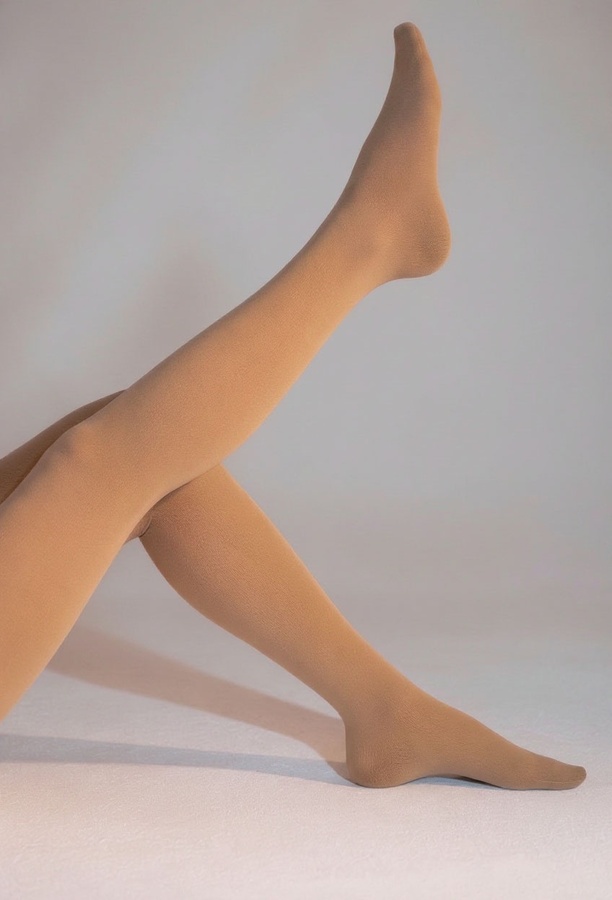
To determine the cause of leg swelling, the doctor finds out when it appeared, examines the limbs and orders tests if indicated. Swelling may be associated with venous or lymphatic disorders, diseases of the internal organs and other conditions. Medical compression hosiery is used when there are indications for it: the need for compression, its class and the wearing regimen depend on the situation and are determined by the attending physician.
Why leg swelling does not always mean varicose veins
Swelling is the accumulation of fluid in the tissues. It is a symptom, not an explanation in itself of why the leg has increased in volume. Therefore marks from sock bands or puffiness near the ankle do not in themselves confirm a venous disease. The article by A. A. Kirichenko "Oedema syndrome in cardiology practice: an algorithm for clinical diagnosis and diuretic therapy" considers heart failure, kidney disease, venous disorders and impaired lymphatic outflow among the causes. The author stresses the need to confirm or rule out a cardiac origin of the swelling rather than drawing conclusions from its presence alone.
Different causes may be combined. For example, venous insufficiency may be accompanied by impaired function of the lymphatic system. In such a situation, the name of the symptom alone is not enough to choose treatment ("Differential diagnosis of oedema of the lower limbs", website of the Department of Hospital Surgery of South Ural State Medical University)
What the doctor finds out at the appointment: when and under what circumstances the swelling appeared
First the doctor takes a history — information about complaints, diseases and events that preceded the symptom. The following factors are important for diagnosis:
- sudden or gradual onset;
- swelling of one or both legs;
- location: foot, ankle, lower leg, thigh;
- changes during the day and after rest;
- pain, redness, skin changes and restricted movement;
- previous thromboses, operations, injuries and infections;
- concomitant diseases and medications being taken.
The location, duration and dynamics of the swelling help the doctor decide which examinations to carry out.
What the examination shows
The doctor compares both limbs and assesses the distribution of the swelling, the condition of the skin and veins, tenderness and tissue changes. If necessary, the circumferences of the limbs are measured. The patient's general condition is also assessed: swelling may be part of a disease that affects the whole body.
Which examinations help to establish the cause:
- Ultrasound of the veins
Duplex ultrasound scanning makes it possible to assess the patency of the veins and the characteristics of blood flow. Its results help to detect thrombosis or chronic venous disorders. If lymphedema is suspected, an examination of the veins may also be useful: the Russian guidelines provide for it to detect or rule out thrombosis, post-thrombotic changes and other pathology accompanied by swelling. ( "Lymphedema of the limbs". Russian clinical guidelines, 2025)
- Tests and examination of other organs
If the clinical picture points to a possible disease of the heart, kidneys or liver, the doctor determines the necessary scope of laboratory and instrumental diagnostics. If a cardiac cause is suspected, signs of heart failure and heart disease are assessed. Special examinations of the lymphatic system are ordered if indicated. The Russian guidelines "Lymphedema of the limbs" emphasise that the diagnosis of lymphedema is based primarily on the history and clinical examination. There is no single mandatory set of tests for every person with leg swelling.
When compression hosiery can be part of treatment
Compression stockings, knee-highs and tights create external pressure on the tissues of the limb. In certain venous diseases, the doctor uses compression to reduce venous symptoms and swelling. Compression therapy is provided for by the 2024 Russian clinical guidelines "Varicose veins of the lower limbs". In lymphedema, medical compression hosiery may also be part of treatment, including to maintain the result achieved. The specific type of compression and the suitability of the product are determined by the doctor taking into account the condition of the limb and the stage of therapy. Not every standard model is suitable for every case of lymphatic swelling.
The Luomma Idealista catalogue includes wide-thigh models marked W. A wide-thigh model makes it possible to take into account the features of the upper part of the leg.
Ecoten has been manufacturing medical compression hosiery for more than 17 years. All products have Registration Certificates and are included in the "Register of Russian Industrial Products".
Any decisions on prescribing compression products are made exclusively by the attending physician. This material is for information purposes only.
Follow our group on VKontakte.
Sources used in preparing this material:
- Kirichenko A. A. "Oedema syndrome in cardiology practice: an algorithm for clinical diagnosis and diuretic therapy". RMJ. 2017 https://backup.rmj.ru/articles/kardiologiya/Otechnyy_sindrom_v_praktike_kardiologa_algoritm_klinicheskoy_diagnostiki_i_diureticheskaya_terapiya/
- "Differential diagnosis of oedema of the lower limbs". Publication on the website of the Department of Hospital Surgery of South Ural State Medical University. https://hospsurg.ru/content/view/43/
- "Lymphedema of the limbs". Russian clinical guidelines, 2025, ID 968_1. The developers include the Association of Phlebologists of Russia and the Association of Lymphologists of Russia. https://bazanpa.ru/minzdrav-rossii-klinicheskie-rekomendatsii-ot01012025-h6924312/
- "Varicose veins of the lower limbs". Russian clinical guidelines, 2024 https://bsmp-kursk.gosuslugi.ru/dokumenty/varikoznoe-rasshirenie-ven-nizhnih-konechnostey.html